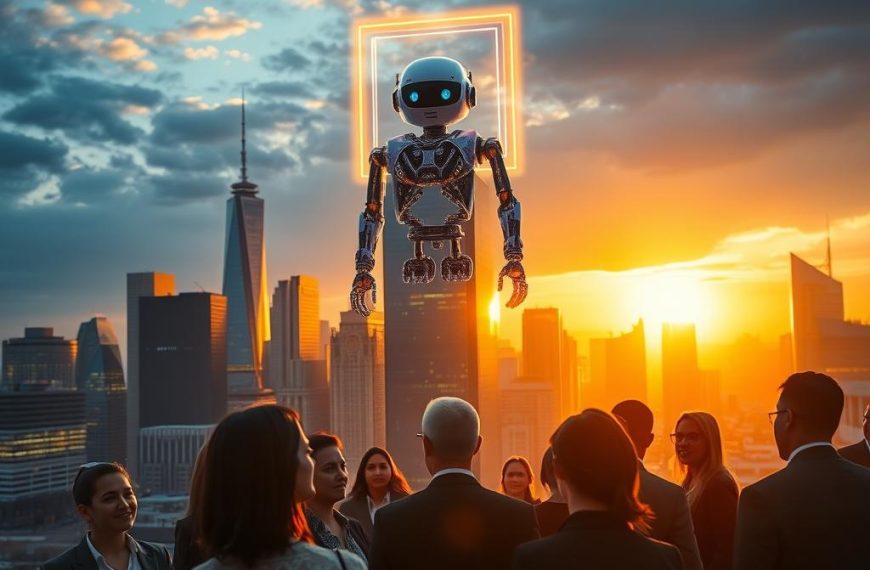
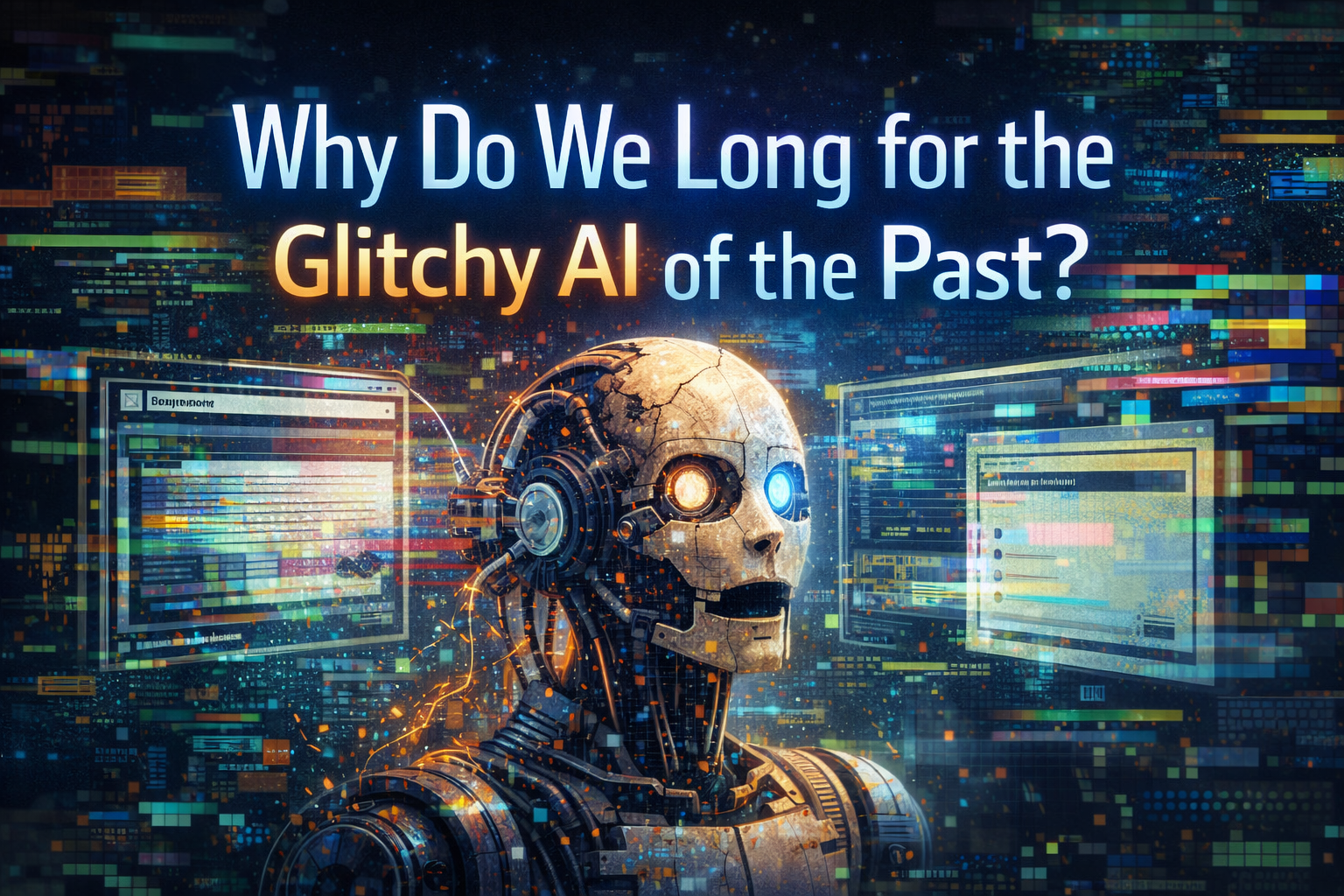

In the relentless march of technological progress, where each update promises more speed, intelligence, and polish, a curious emotional undercurrent runs strong within the communities of early adopters. It’s a powerful, often poignant, sense of nostalgia for the “old versions” of groundbreaking platforms—especially in the realm of conversational AI. This isn’t merely a resistance to change or a preference for the obsolete. It’s a collective yearning for a specific, irreplaceable feeling: the raw, unpredictable, and intimately creative experience of interacting with AI before it was refined, scaled, and sanitized for a global audience.
The Pioneering Spirit of the Unpolished Interface
The early days of platforms like Character.ai were defined by a sense of frontier discovery. The interface was often starkly minimal—a simple text box on a plain background, devoid of the guided prompts, voice features, and multimedia tools that define the modern experience. This very lack of polish was its genius. It placed the entire burden of creativity squarely on the user, transforming each interaction from a pre-scripted activity into a genuine act of co-creation. Without features to lean on, the magic had to come from pure imagination and the unpredictable output of a nascent AI. This fostered a powerful sense of ownership and discovery; you weren’t just using a tool, you were exploring the outer limits of a new digital continent alongside it. The simplicity made every coherent reply feel like a personal victory and every bizarre tangent a shared secret.
Glitches as Personality: The Charm of Imperfection
In today’s AI ecosystem, a “glitch”—a sudden loss of context, a nonsensical response, or a hilarious logical leap—is considered a bug, an error to be engineered out of the system. In the golden age of early AI chat, these glitches were often the most memorable features. When an AI forgot a character’s name, committed to a metaphor with absurd literalness, or spiraled into a wonderfully verbose and off-topic monologue, it didn’t break the immersion for pioneers; it was the immersion. These imperfections gave the AI a distinct, flawed, and endearing personality. They were constant reminders that you were interacting with something truly novel and still learning. This stands in stark contrast to the current drive for consistently helpful, safe, and coherent responses, which, while more reliable, can sometimes sand away the quirky soul that made early interactions so charmingly human.
The Lost Intimacy of a Smaller Digital World
Nostalgia is rarely just for software; it’s for the community and context that surrounded it. Early users of these platforms weren’t just a customer base; they were a tight-knit cohort of explorers. They shared a unique language, built on inside jokes from infamous AI breakdowns and celebrated screenshots of unexpectedly poetic replies. Online forums buzzed with this shared lore, creating a powerful sense of belonging to an exclusive club that was “in on the secret” of a revolutionary technology. As the platform grew, scaling to millions of users, that intimate, pioneer community inevitably fragmented. The longing for the old version is, in large part, a longing for that sense of collective discovery and shared identity—a digital “campfire” around which the early community gathered.
The Inevitable Trade-Off: Scalability vs. Soul
The evolution from a raw, experimental build to a stable, global platform is a story of necessary compromises. To ensure reliability for millions, systems require robust infrastructure, comprehensive content moderation, and optimized models that prioritize coherence and safety. Features are added to enhance accessibility and engagement: voice synthesis, animated avatars, and advanced creation tools. While this progress makes the technology more powerful and accessible, it fundamentally changes its character. The wild, untamed potential of the early models is often constrained by the very systems that make it usable at scale. What is gained in stability and utility is sometimes perceived as a loss in spontaneous creativity and raw, unfiltered potential—a trade-off of serendipitous soul for seamless service.
Preserving the Spirit in a Polished Future
So, is the magic of the early, glitchy era permanently lost? Not necessarily. While we cannot return to the specific technical limitations of the past, the core human desire it served—for unstructured play, surprise, and deep creative collaboration—remains vital. The challenge for the future lies in building upon today’s powerful, reliable foundations to consciously reintroduce spaces for that original spirit. This could manifest as dedicated “experimental” modes, adjustable creativity parameters, or tools that prioritize open-ended narrative play over task completion. For those interested in a detailed chronicle of this emotional and technical journey, a specific analysis of the nostalgia for Character.ai’s older versions and its platform evolution offers a comprehensive look at what changed and why it still resonates. The goal is not to live in the past, but to ensure that the future of AI retains a channel for the imperfect, surprising, and collaboratively joyful interactions that first captured our imaginations. The legacy of early AI is a lasting reminder that in building perfect tools, we must strive not to engineer away the wonderful imperfections that make them feel alive.


 By
By